All Products for Curly Afro Hair Care
Caring for your curls and Afro-curly hair should be a breeze! Once you know exactly the right products you need, a hair care routine, and a few essential curly hair accessories, you'll be able to define your locks in no time...
First things first: shampoo and conditioner: a sulfate-free, hydrating conditioner is a great place to start your hair care journey, especially if you suffer from dry, frizzy curls. Most shampoos you'll find will be sulfate-free, so including them in your routine is a no-brainer.
Products for Washing Curls and Afro Curls
What is Pre-Shampoo or Pre-Poo?
Like cowash, pre-poo is a relatively new product in the world of hair care. It's a product used before shampooing to detangle curls, moisturize them, and prepare them for cleansing. Pre-poo is especially important if you have curls that tend to tangle easily.


What is Cowash or Conditioner-Washing or No Poo?
Cowash is a recent innovation in the Curly Girl movement. These gentle cleansers cleanse hair without stripping it of moisture like traditional shampoos. If you wash your hair frequently, you can use a cowash during the week and finish with a shampoo at the end of the week.
Cowash was once called "conditioner washing," because people with curly hair used conditioner to wash their hair. Nowadays, cowashes work like shampoo and conditioner combined, but they're much gentler on curls. However, we recommend not abandoning cowash shampoos or No Poo shampoos, but rather using them in rotation, as it's important to keep your scalp clean and healthy.
Shampoos for Curly and Afro Hair
Sulfate-free shampoos are much gentler on your curls; they don't strip them of moisture, leaving them clean and hydrated, unlike clarifying shampoos, which are much harsher. Traditional shampoos contain SLS (sodium lauryl sulfate) and other sulfates, which strip oil and dirt from the hair and create a lather. Sulfate-containing shampoos leave hair clean but tend to make it drier and more brittle. On the other hand, sulfate-free shampoos contain gentler and less harsh ingredients, such as cocobetaine, which are excellent for curls. If you use a lot of products on your hair, your hair gets weighed down easily, or you have dandruff, you can use a clarifying shampoo once a week to cleanse your curls.
What are Clarifying Shampoos?
Clarifying shampoos are deep cleansers designed to remove product buildup. They typically use sulfates and surfactants to free your hair from styling products, dust , dirt, chlorine, and more. It's not recommended to use clarifying shampoos in your daily hair care routine, as they can strip your curls, leaving them dry and sometimes even tangled.
What are Conditioners for Curly Hair?
Hair conditioners are used to soften hair, reduce frizz, and increase manageability. After shampooing, hair tends to become frizzy and dry due to the cleansing ingredients in the shampoo. Hair conditioners are formulated to moisturize, strengthen, and repair and must be rinsed out, unlike leave-in conditioners. You can skip your conditioner only on ONE occasion! Use a hair mask, which is essentially a more penetrating form of conditioner.
What are Leave-In Conditioners?
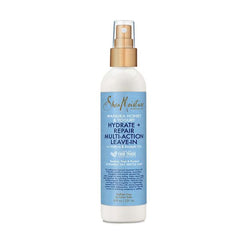
Leave-in conditioner : A leave-in conditioner is a curly girl's best friend, a great product to have, especially if you need to rehydrate your curls during the week or between washes. It comes in various forms, such as creams, sprays, or even foams. They're not the same as your rinse-out conditioner, so you shouldn't replace your leave-in conditioner with a rinse-out conditioner. Your leave-in conditioner doesn't need to be rinsed out of your hair!
What's the best way to use leave-in conditioner?
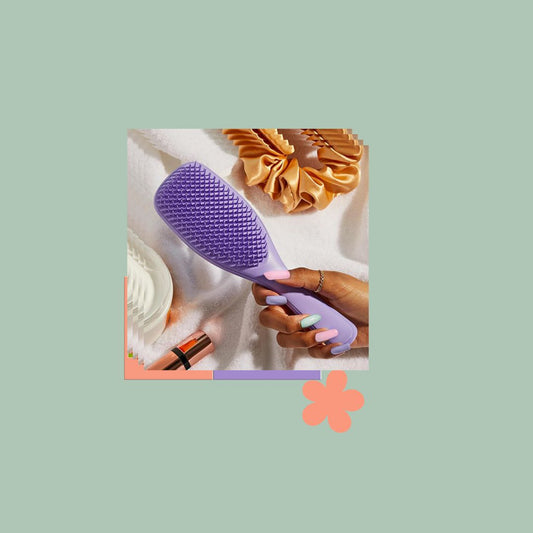
You can use it on damp or dry hair. Some leave-in conditioners are richer and contain more natural oils, so you may want to dampen your hair a little before adding them. How should I use my leave-in conditioner? Massage the leave-in conditioner from roots to ends, focusing on the ends, which are older and tend to be a little dry. Now is the best time to detangle, so grab your wide-toothed comb, Denman D38 brush, or wide-toothed comb. Then, style. Remember, you don't need to rinse out the leave-in conditioner before styling your curls and locks.
Curly Hair Styling Products
Styling gel or cream: which curling technique will you use to sculpt and define your curls and coils?
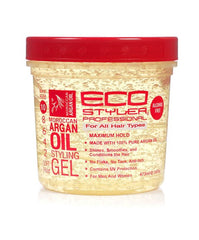
Use a light mousse or medium-hold gel while squeezing your hair to shape your curls. If you have thicker curls and locks, perhaps layer your curl cream with a gel and use a Denman brush to define your curls. If you can't decide, try a reliable hair diffuser—simple, quick, and reliable!
What is a pack or mask for in a curly hair routine?
These are the superhero treatments that give your curls the intense love, hydration, and strength they need to stay healthy and strong. Curly hair masks tend to be strengthening, hydrating, repairing, or a combination. Choose based on your hair's condition. Dry, neglected hair definitely needs a deep-hydrating treatment.
Mask for damaged curls
Strengthening or protein masks are used to strengthen hair damaged by dyeing, chemical treatments, or frequent use of straighteners and high-heat hair dryers. These masks contain proteins such as keratin, silk proteins, and wheat proteins to strengthen hair.