How to grow Afro hair?
Everyone's hair grows, including Afro-curly hair! However, there's a significant difference in maintaining length compared to other hair types. Afro-curly hair is particularly fragile and prone to breakage, especially if it's the curliest type of hair (yes, Afro-curly hair is curly). If your hair breaks as much as it grows, you won't notice any significant difference in length. This is a common reason why people wonder why their Afro-curly hair isn't growing.
Hair growth occurs in different phases, with the growth phase being just one of them. Some people with long, curly Afro hair experience normal breakage and hair loss, while there are periods when their hair seems to stop growing or grow more slowly. This can be influenced by various factors such as health, diet, and the phase your hair is in.
How to Find Out Your Curly Hair Type Can Promote Afro-Curly Hair Growth
Understanding your curly hair type can be a helpful way to choose the best products for your Afro curls, thus also contributing to healthy hair growth. I'll explain how!
Hair classification and the Hair Chart help you identify the products that best meet your specific needs. This is essential not only to avoid wasting money, but also to effectively care for Afro-curly hair. Type 4 Afro-curly hair, for example, requires highly moisturizing products to keep it soft and prevent breakage and split ends. With proper hydration, it's easier to preserve and maintain hair length.
Today, many brands offer specific products for Afro-curly hair care, often designed for specific hair types. For example, Shea Moisture offers a chart and quiz on its website to help identify the product lines best suited to each hair type.
For looser curls and wavy hair (e.g., 2A-3C), the Papaya & Neroli collection is ideal: it moisturizes, combats frizz, and doesn't weigh hair down. Virgin coconut oil, on the other hand, is a universal product, perfect for all types of curly, afro, and wavy hair. For afro-curly hair types 4A-4C, the Manuka Honey & Mafura Oil line is excellent for providing intense hydration and keeping hair healthy, soft, and strong.

Shea Moisture Hair Line for Afro, Curly and Wavy Hair Hair Chart
2. Choose the right products for Afro hair
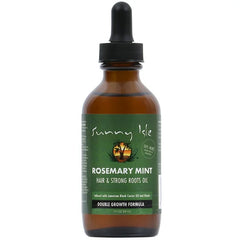
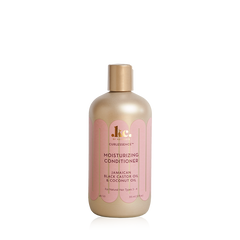
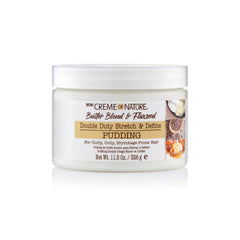
Choose rich, hydrating products, such as moisturizing shampoos and conditioners. Use creams enriched with shea butter, oils, and rinse-out conditioners to hydrate your hair throughout the week, or a refreshing spray.
The Curls Dynasty and Shea Moisturise 100% Virgin Coconut Oil lines are excellent for moisturizing type 4 hair. These lines offer a wide range of products, from shampoos to styling products, specifically designed for curly and tight Afro-style hair, with a special focus on hydration. Oils and butters are other ways to moisturize Afro-style hair. For example, shea butter, combined with a leave-in conditioner or styling cream, helps keep hair soft and well-hydrated.
3. Washing Afro-Curly Hair
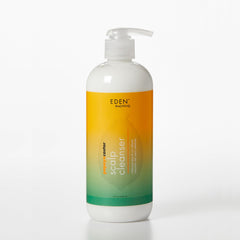
Using a hydrating shampoo is recommended for curly hair, as it's less harsh and contains super-hydrating ingredients compared to clarifying shampoos, which can strip Afro-curly hair of its natural oils, causing dryness and breakage. It's important to follow with a hydrating conditioner or mask to maintain moisture balance. Gently massaging the shampoo into the scalp and distributing it throughout the hair helps prevent damage and tangles.
4. Moisturize Dry Afro Hair


5. Manipulate your Afro Curly Hair Less
Another key tip for maintaining the length of your Afro hair is to minimize the time spent touching, pulling, or manipulating it. Try to limit the time spent combing and working on your Afro-curly hair as much as possible. If you can maintain the same style for a week, it will be a great help in promoting growth and preserving length.
The more time you spend twisting, combing, or brushing your hair, the greater the risk of breakage. Furthermore, heat styling, such as frequent straightening or using a blow dryer on full power, is highly discouraged for any hair type, but especially for fragile Afro-curly hair.

@NaturallyHigh Content Creator
6. Protective Styling
Styles - Braids, Extensions, Wigs - Using extensions, wigs, and the like to help maintain length is great when done correctly, as it eliminates the need to comb and touch your hair every day. However, these practices must be done correctly, otherwise they can damage your Afro hair rather than help it.

7. Detangling Afro Hair
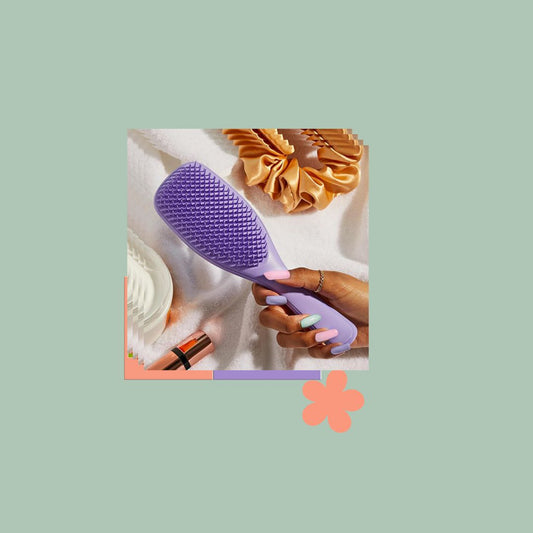
Use a wide-toothed comb when detangling your afro hair or a detangling brush on damp hair. Always start detangling from the ends to the roots to remove all knots and loose hair. This will save time and pain and also reduce hair breakage.
Finger detangling is also a great way to eliminate knots in Afro-curly hair. Parting the hair while detangling will help you work faster and more efficiently, and will also reduce pulling and breakage.


8. Eat Well!
Make sure you're eating right! Anemia affects hair growth, so make sure you're not deficient in important vitamins and minerals.
9. Cut your Afro hair
Fairy knots (Afro hair tends to curl in on itself, creating knots at the ends of your strands) and split ends, if left, will eventually grow up the hair strands and cause even more damage. Use good, sharp hair scissors to remove them. Additionally, get a haircut every 4-6 months to eliminate split ends and get rid of the weakest parts of your hair that are more susceptible to breakage.
10.Silk Cap
Use a silk scarf or cap when you sleep to protect your hair from drying out and reduce friction.
Here are some content creators with amazing afro curly hair.


@Naptural85 @kandikinks @roothie__ @Janetdavies