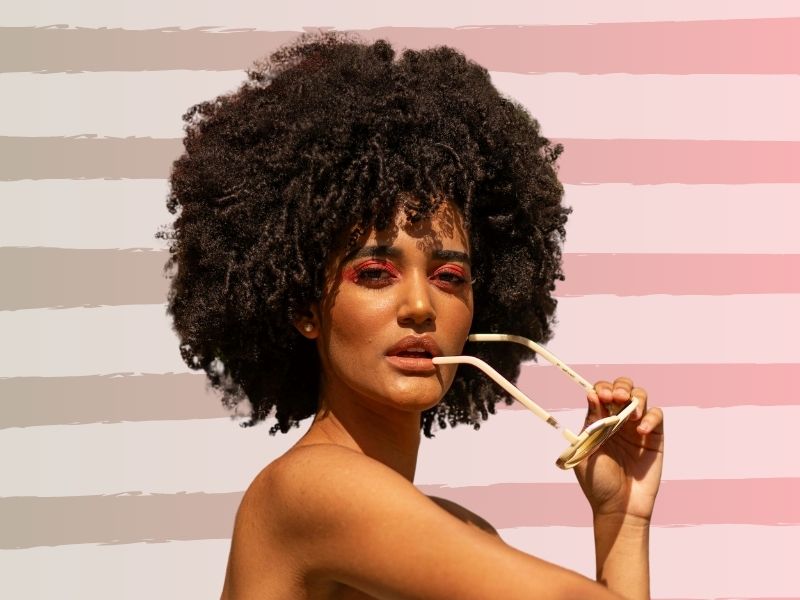
10 Mistakes to Avoid with Afro-Curly Hair
1. Applying too many products to your Afro-hair
Too many products tend to weigh down hair. Since our Afro-American hair is naturally prone to dryness, we think that using more products will moisturize it better, but that's not the case. Putting too much product on your hair can cause product buildup, making your hair dry because the products sit on the hair and aren't absorbed.
Creating a simple hair routine and using a dime-sized amount of product is a great way to start. Just read the instructions for each product, especially if you're adding more than one to your styling routine.

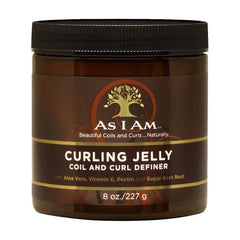
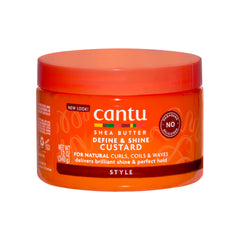
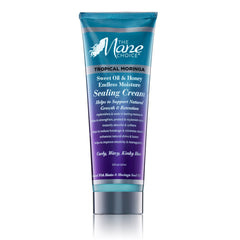
Styling products for afro and curly hair
2. Stretching or pulling your afro hair too much when it's wet
Pulling your hair too hard when it's wet is a mistake to avoid.
Not only can it cause breakage, but it's especially damaging to Afro-American hair, which is already naturally more fragile. Sometimes you don't realize the damage until the first signs appear: broken hair or thinning along the strands.
I also often stretched my wet hair and let it air dry—using elastics or twisting it and pinning it around my head—to reduce shrinkage , or the shrinking of my curls. But after a while, I started noticing widespread breakage, especially in the middle of my strands, something I'd never seen so noticeably before. The only thing I changed in my routine was stretching my hair immediately after washing it. Also, be careful about using detangling brushes for curly hair!
The culprit? Obviously, pulling your hair too hard when it was wet. Hair in this state is much more fragile and elastic, and excessive stretching not only made it longer, but also ended up breaking it.
So, be careful!
3. Neglecting your natural Afro hair with braids, wigs...
Not caring for your Afro hair regularly, or leaving it in braids or under a wig for too long—especially if you use a long-lasting glue—is a common and damaging mistake.
A healthy scalp makes a big difference in hair growth, length, and overall health and hygiene. Additionally, hair can start to tangle in braids.
For this reason, don't neglect your Afro hair even when it's in braids or under a wig : make sure you wash, moisturize, and nourish it regularly.
Give your hair a break between protective styles, like braids or wigs, and let it breathe.
Applying too much tension too frequently can cause damage, especially at the front , where the hair is most fragile.


Braids Hairstyle
A helpful tip for women with Afro hair : if you often wear wigs, try replacing the long-lasting glue with an extra-strong hairspray , specifically designed to hold lace wigs.
For example, Ebin's Ultra Strong Hairspray is an excellent alternative that provides good hold without compromising the health of your scalp and hair, and allows you to easily remove the wig at the end of the day.
4. Using the wrong tools:
Find hair brushes and accessories that suit your hair type. Using the wrong tools can cause breakage, pulling, and damage. A fine-toothed comb may be great for styling, but it's definitely not for detangling.
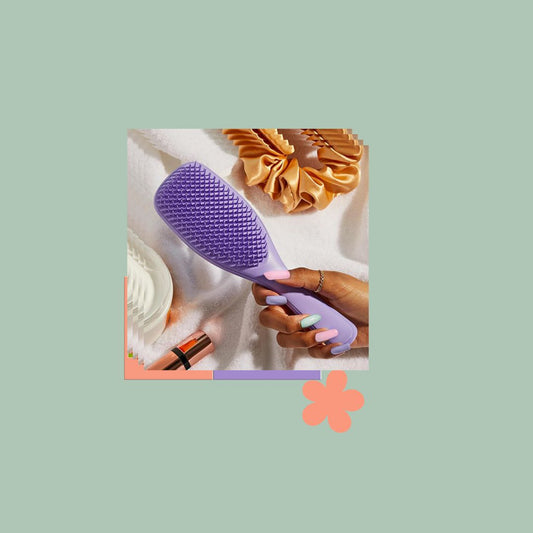
There are various brushes , combs, and accessories for curly and Afro-American hair. We've talked a lot about Denman brushes, which are excellent for styling, but also about combs, especially wide-toothed ones for eliminating annoying knots. Tangle Teezers can be excellent for detangling Afro-American hair, as there are different Tangle Teezers for curly and kinky hair, but make sure you use the right ones.
5. Comb Afro hair when dry:
Save yourself pain and hair breakage by detangling dry hair. Use a spray bottle with water or your favorite product and lightly spray your hair, or simply add your favorite leave-in or pre-shampoo product before detangling or styling.
6. Hand-in-Hair Syndrome
Frequently touching, pulling, and playing with your hair can be a sign of stress, anxiety, or just boredom. " Hand-in-hair syndrome" is a phrase often used in the curly-haired community because we with Afro-curly hair always like to touch our hair. ...But if you do this constantly, trichotillomania can cause hair loss. Pulling and twisting your hair can also cause hair breakage.
7. Applying too much oil to your scalp
There's nothing wrong with massaging your scalp every now and then with a light oil . In fact, massaging your scalp can improve circulation and blood flow, which can lead to hair growth. But you don't need to constantly apply oil to your scalp. Adding oil to your scalp won't make your hair more moisturized, as our dry Afro-American hair isn't caused by our scalp producing insufficient amounts of oil. If you have dandruff, this can actually make the problem worse, weighing down your hair and clogging your hair follicles.
8.Wetting your hair too often or leaving it wet for too long
When hair is wet, the cuticles lift, open, and swell due to the water they absorb. Leaving the cuticles raised for too long can damage and weaken the hair. This is why many professionals recommend drying your hair with a hairdryer. If you do dry your hair, try to remove as much water as possible.
9. Being afraid of cutting your Afro hair
Getting a haircut at least twice a year will not only reduce tangles and eliminate split ends, but it will also add body to your hair, eliminate uneven lengths, and greatly aid in the detangling process.
10. Afro Hair with Too Tight Hairstyles
Among the most popular hairstyles, especially among women with Afro hair, are braids, extensions, and wigs, because they are very versatile solutions that allow you to easily change your look.
However, these methods can damage Afro hair, especially if the styles are too tight or applied incorrectly .


Naomi Campbell China Mclain
Applying too much tension to the scalp can cause traction alopecia, a condition that particularly affects many women with African-American hair.
Besides alopecia, hair breakage is also a common consequence of overly tight or repetitive styling.
We all love a well-pulled ponytail, braids, wigs, extensions, and similar hairstyles, but it's essential to rely on a professional who knows how to manage your hair properly and reduce tension on the scalp.
Also, give your afro hair time to breathe between stylings to keep it healthy and strong over time.